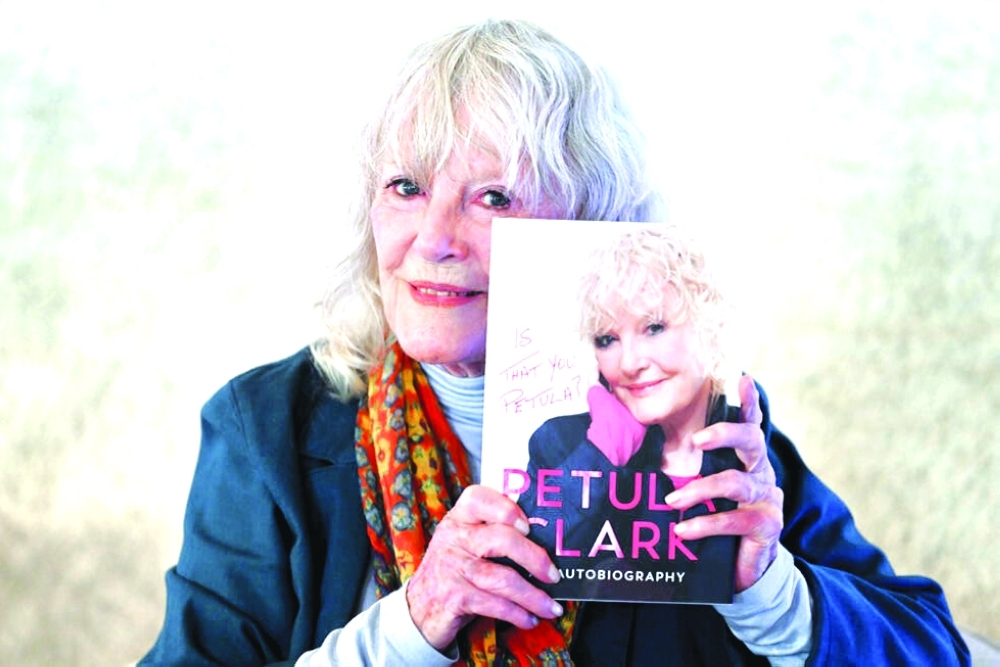





Veteran British singer Petula Clark says she hopes artificial intelligence will never replace the warmth, emotion and personal connection that define a real performer.
The 93-year-old Downtown star said that while AI continues to reshape the music industry, she believes audiences still value genuine human expressions.
“We’re all very worried about that,” Clark said. “They’re saying eventually AI will have emotion, and even that’s a little worrying. I hope not. I find the whole thing a bit scary.”
She noted that technology has long been part of music production but questioned how far it could go. “We’re still here. But for how much longer?” she asked.
Clark said that although age has lowered her vocal register, she still enjoys performing and believes no technology can replicate her unique style.
“My voice has changed... it’s come down a little bit, but I kind of like it,” she said. “What I do is very personal, and it’s mine; nobody can be me. It comes from the heart.”
The Grammy-winning singer revealed plans for what could be an emotional concert in a London theatre later this year.
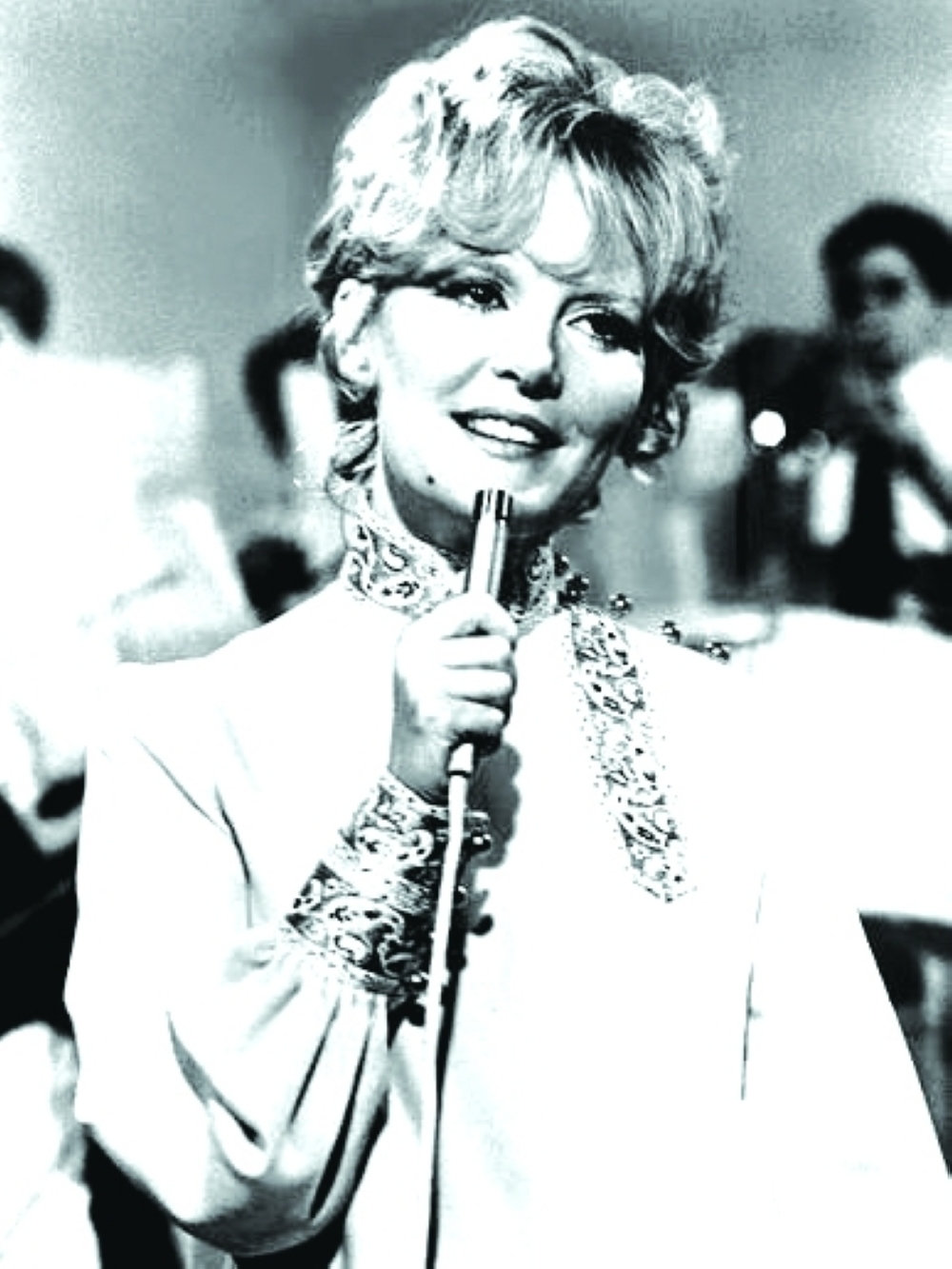
“It may be my last one; who knows?” she said. “But I’m really looking forward to getting back to an audience. There’s nothing quite like the communion with an audience.”
Clark, who became a major star in France after marrying French publicist Claude Wolff in 1961, said melody has always been the first thing she listens for in a song.
“Melody is international,” she said, recalling that her 1964 hit Downtown had no lyrics when composer Tony Hatch first played it on the piano. The song went on to sell millions of copies and earned her a Grammy Award.
Asked about today’s artists, Clark praised Adele as “a wonderful singer” and “a very good songwriter.” She added that she still listens to music every day, particularly classical music and jazz.
Clark has also released her autobiography "Is That You, Petula?" named after John Lennon’s greeting when she visited his famous 1969 Montreal bed-in for peace and appeared on the recording of Give Peace a Chance.
Looking back on a career that began as a child performer on BBC radio during World War II and later included films, musicals and television, Clark described her life as “very exciting”, “very sad” and “very happy.”
She said she hopes her music has brought happiness to audiences over the decades.
“They’ve made me happy, too,” she said. – AFP
Oman Observer is now on the WhatsApp channel. Click here